Categories
Grief and Loss

Why You Feel So Tired After Loss (And What Actually Helps)

When someone you love dies, most people expect to feel sadness.

What often comes as a surprise is just how physically exhausting grief can be.

You may feel drained from the moment you wake up, struggle to concentrate or find everyday tasks much harder than they used to be.

If you’ve been wondering why you’re so tired after a loss, you’re not imagining it. Grief affects both the mind and the body, and feeling exhausted is a very common part of bereavement.

Why Does Grief Make You Feel So Tired?

Grief places a huge emotional demand on us.

As well as coping with painful feelings, you’re adjusting to a life that has changed in significant ways. Even when you’re not consciously thinking about your loss, your mind is working hard to process what has happened.

This emotional effort can leave you feeling physically and mentally exhausted.

It’s important to remember that this isn’t laziness or weakness. It’s a natural response to one of life’s most difficult experiences.

Common Symptoms of Grief Fatigue

Everyone experiences grief differently, but many people notice:

  • Constant tiredness or low energy
  • Difficulty concentrating
  • Changes in sleep
  • Feeling emotionally overwhelmed
  • Loss of motivation for everyday tasks

These symptoms can feel worrying, particularly if you’ve never experienced bereavement before, but they are often a normal part of grieving.

What Actually Helps?

Although there isn’t a quick fix for grief, small acts of self-care can make a real difference.

Be patient with yourself and try not to expect too much. Focus on the basics, such as eating regular meals, staying hydrated and getting enough rest.

Gentle movement, such as walking or stretching, can also help support both your physical and emotional wellbeing.

Perhaps most importantly, allow yourself to grieve.

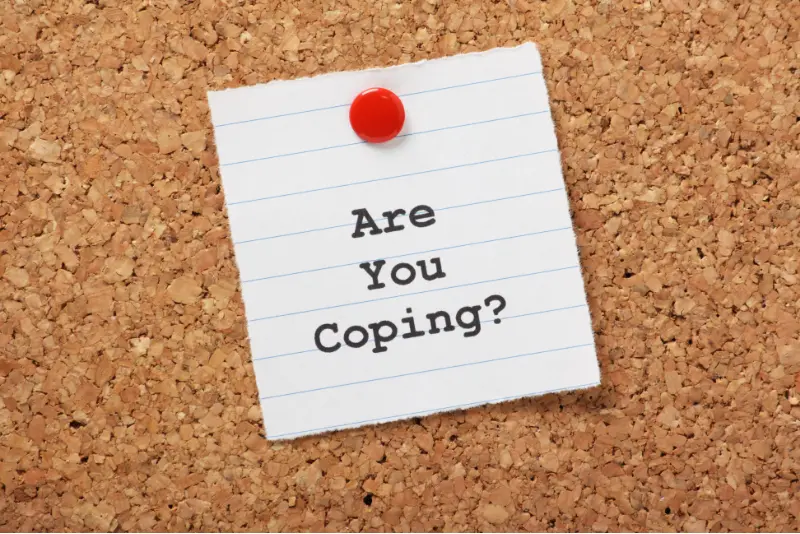
Many people become even more exhausted because they’re trying so hard to appear as though they’re coping. Giving yourself permission to acknowledge your loss can ease some of that emotional burden.

When Could Counselling Help?

If your exhaustion feels relentless or you’re finding it difficult to manage daily life, counselling may provide the support you need.

Bereavement counselling offers a safe and confidential space where you can explore your feelings without judgement or pressure to “move on.”

Together, we can make sense of your grief and help you find ways to care for yourself while adjusting to life after loss.

Bereavement Counselling in Beaconsfield and Online

I’m Sara Torrome, a qualified counsellor offering bereavement counselling in Beaconsfield, supporting clients across Buckinghamshire and providing secure online counselling throughout the UK.

Whether your loss is recent or happened many years ago, you don’t have to face it alone.

If you’d like to find out whether counselling could help, please get in touch. I’d be happy to answer your questions and discuss the support I can offer.

Categories
Grief and Loss

When Grief Hits You Out of Nowhere: What’s Really Going On?

You could be shopping, driving to work or simply enjoying a quiet moment when, without warning, a wave of grief suddenly washes over you.

One minute you feel fine. The next, you’re holding back tears or feeling as though the loss has just happened all over again.

If you’ve ever wondered, “Why does grief hit me out of nowhere?”, you’re not alone.

Unexpected waves of grief are one of the most common experiences after losing someone important. Although they can feel unsettling, they’re a natural part of grieving and don’t mean you’re moving backwards.

Why Does Grief Come in Waves?

Many people imagine grief as something that gradually fades over time. In reality, it rarely works that way.

Grief tends to ebb and flow. Some days feel manageable, while others can feel unexpectedly difficult. Even months or years after a loss, certain memories or reminders can bring powerful emotions to the surface.

This doesn’t mean you’re failing to cope. It simply reflects the importance of the relationship you had with the person you’ve lost.

What Can Trigger Sudden Grief?

Sometimes the reason is obvious.

Birthdays, anniversaries, holidays or family occasions often bring back memories.

Other times, the trigger may be much smaller – a familiar song, a favourite meal, a particular place or even a smell can instantly remind you of someone special.

Our brains connect memories with everyday experiences, so it’s perfectly normal for grief to appear when you least expect it.

Be Kind to Yourself

One of the hardest parts of grief is the pressure people often place on themselves.

You might think, “I should be over this by now,” or “Why am I still upset?”

The truth is that grief has no deadline.

Rather than trying to push your feelings away, it can help to simply acknowledge them. Allow yourself a moment to pause, breathe and recognise that you’re missing someone who mattered deeply.

Treat yourself with the same compassion you would offer a close friend experiencing a loss.

What Can Help?

There is no single “right” way to cope with grief, but many people find it helpful to:

  • Pause and take a few slow breaths.
  • Talk to someone they trust.
  • Write down their thoughts or feelings.
  • Keep gentle routines that provide comfort and stability.

The goal isn’t to stop the grief from happening. It’s to give yourself permission to experience it without judgement.

When Could Counselling Help?

Although unexpected waves of grief are normal, there are times when they begin to feel overwhelming.

If your grief is affecting your relationships, work or day-to-day life, bereavement counselling can provide a safe, supportive space to explore your emotions.

Counselling won’t take away your grief, but it can help you understand it, make sense of what you’re experiencing and find ways to move forward while continuing to honour the person you’ve lost.

Bereavement Counselling in Beaconsfield and Online

I’m Sara Torrome, a qualified counsellor offering bereavement counselling in Beaconsfield, supporting clients across Buckinghamshire and providing secure online counselling throughout the UK.

Whether your loss happened recently or many years ago, you don’t have to navigate grief on your own.

If you’d like to explore how counselling could support you, please get in touch. I’d be happy to answer any questions and discuss how we can work together.

Categories
Grief and Loss

I Thought I Was Coping, Why Am I Falling Apart Now?

If you’ve found yourself thinking, “I thought I was coping… so why am I falling apart now?”, you’re far from alone.

Perhaps you’ve been keeping everything together for months. You’ve continued working, looked after your family, supported friends, and carried on with your daily life. From the outside, it may even have seemed as though you were coping remarkably well.

Then, almost without warning, everything changes.

You find yourself feeling tearful over small things, constantly exhausted, unable to concentrate, or overwhelmed by emotions that seem to have appeared out of nowhere.

It can be frightening, and it’s common to wonder whether something is wrong with you.

In reality, what you’re experiencing is often a very normal response to prolonged stress or difficult life experiences. Sometimes our emotions don’t catch up with us until long after the crisis has passed.

Sometimes We Don’t Have Time to Process What We’re Going Through

When life becomes overwhelming, whether through bereavement, relationship difficulties, illness, caring responsibilities, work pressures or another major life event, our immediate focus is often on getting through each day.

There are practical problems to solve, responsibilities to manage and people depending on us. In many situations, we simply don’t have the emotional space to stop and process what we’re feeling.

Instead, we keep going.

To other people, it can look as though we’ve handled everything incredibly well. But inside, we’re often putting our emotions to one side simply because we need to survive.

That doesn’t mean those feelings disappear.

Why Do Emotions Surface Later?

Our minds are remarkably good at protecting us during difficult times.

In the short term, staying busy or focusing on practical tasks can help us cope with situations that might otherwise feel unbearable. It’s one of the ways our nervous system helps us function when life feels overwhelming.

But eventually, life becomes quieter.

The immediate crisis passes. Work settles down, the practical tasks are finished, or the people around us begin to assume we’re back to normal.

It’s often at this point that the emotions we’ve been holding back begin to surface.

This isn’t because you’ve suddenly become less resilient.

It’s because your mind finally has the space to begin processing everything you’ve been carrying.

Signs You May Be Emotionally Overwhelmed

Emotional overwhelm doesn’t always look dramatic. In fact, it often develops gradually.

You may notice that you:

  • Feel emotionally or physically exhausted most of the time.
  • Cry more easily than you used to.
  • Feel anxious without understanding why.
  • Become irritable or impatient with the people around you.
  • Struggle to concentrate or make simple decisions.
  • Feel detached from others or from yourself.
  • Lose interest in things you normally enjoy.
  • Worry that you’re “not yourself” anymore.
  • Feel guilty for not coping better.

These experiences can leave people feeling confused or ashamed.

In reality, they’re often signs that you’ve been carrying far more than your mind and body can comfortably manage for a prolonged period.

The Pressure to Keep Going

Many of us have learned that being “strong” means carrying on regardless.

We’re praised for putting others first, staying positive and managing whatever life throws at us. While resilience is important, constantly pushing your own needs aside can come at a cost.

Eventually, our minds and bodies ask us to slow down.

That might look like anxiety, emotional exhaustion, low mood or simply feeling unable to keep everything together any longer.

These aren’t signs that you’ve failed.

Often, they’re signals that you’ve been coping for much longer than anyone, including yourself, realised.

You Don’t Need to Reach Breaking Point Before Asking for Help

One of the biggest misconceptions about counselling is that it’s only for people in crisis.

In reality, many people seek therapy because they’ve reached the point where they recognise they’re carrying more than they can manage alone.

Counselling offers a safe, confidential space to explore what’s been happening, understand your emotional responses and begin making sense of why life suddenly feels so overwhelming.

It isn’t about being told what to do or being expected to “fix” yourself.

It’s about understanding yourself with compassion and finding healthier ways to move forward.

Be Gentle With Yourself

If you’ve been asking yourself, “Why can’t I cope anymore?”, perhaps there’s another question worth considering.

“How long have I been carrying all of this on my own?”

That small shift in perspective can make an enormous difference.

Rather than seeing yourself as someone who has failed, you may begin to recognise someone who has been doing their very best under difficult circumstances for a long time.

You deserve the same kindness and understanding that you would offer someone you care about.

Counselling in Beaconsfield and Online

I’m Sara Torrome, a qualified counsellor supporting adults experiencing anxiety, emotional overwhelm, burnout, grief, relationship difficulties and major life changes.

I offer counselling in Beaconsfield, welcoming clients from High Wycombe, Amersham, Gerrards Cross, Marlow and across Buckinghamshire, as well as secure online counselling throughout the UK.

If you’ve spent months, or even years, holding everything together and have reached the point where it all feels too much, you don’t have to face it alone.

If you’d like to explore how counselling could help, I’d be happy to have an initial conversation with you. Together, we can make sense of what you’re experiencing and help you find a way forward that feels more manageable, compassionate and sustainable.

Categories
Grief and Loss

Why Does Grief Feel Worse Months Later? The Delayed Impact No One Talks About

If you’ve found yourself wondering, “Why does grief feel worse months later?”, you’re not alone.

Many people expect the hardest part of grief to come immediately after losing someone they love. Family and friends rally around, there are practical arrangements to make, and life becomes focused on simply getting through each day.

So when grief suddenly feels more intense several months later, it can be confusing. You may start questioning yourself, wondering why you seemed to cope at first but now feel overwhelmed by sadness, anger, loneliness or anxiety.

The truth is that this is an incredibly common experience. Grief doesn’t follow a timetable, and it certainly doesn’t disappear after the funeral. For many people, the deepest emotional impact only begins to emerge once life starts returning to normal.

Why Can Grief Feel More Intense Months After a Loss?

In the first few weeks after a bereavement, most people are in survival mode.

There are practical responsibilities to deal with, family members to support, paperwork to complete and, often, a constant stream of visitors and well-wishers. Your mind has little choice but to focus on what needs to be done.

Many people also experience emotional numbness during this time. This isn’t because they loved the person any less – it’s simply one of the ways our minds protect us from becoming emotionally overwhelmed.

It’s often only when life quietens down that the reality of the loss truly begins to settle in.

The phone calls become less frequent. Friends assume you’re doing better. Work expects life to continue as normal.

But you’re left adjusting to a world where someone important is no longer part of your everyday life.

This is often when grief feels at its heaviest.

What Is Delayed Grief?

Delayed grief is when the emotional impact of a loss doesn’t fully emerge until weeks, months or even years later.

Sometimes people are simply too busy surviving to process what has happened. Others push their feelings aside because they need to care for children, support other family members or keep working.

Eventually, those emotions need somewhere to go.

Delayed grief isn’t a sign that something is wrong with you.

It’s simply your mind processing a loss when it finally feels safe enough to do so.

Signs You May Be Experiencing Delayed Grief

Grief doesn’t always look like constant sadness. It can affect your emotions, your body and your relationships in ways that may surprise you.

You might notice:

  • Waves of sadness that seem to come out of nowhere
  • Feeling tearful over small reminders
  • Increased anxiety or worry
  • Anger or irritability
  • Difficulty concentrating
  • Problems sleeping or changes in appetite
  • Feeling emotionally exhausted
  • Withdrawing from family or friends
  • Feeling guilty for not “moving on”
  • Wondering why you’re still grieving months later

Sometimes grief is triggered by an anniversary, birthday or holiday.

Other times, there is no obvious reason at all. A song, a familiar place or even an ordinary afternoon can suddenly bring everything back.

There Is No Right Way to Grieve

One of the biggest myths about grief is that it follows a series of predictable stages that everyone experiences in the same way.

In reality, grief is deeply personal.

Some people cry every day. Others rarely cry at all.

Some want to talk constantly about the person they’ve lost, while others find that too painful.

Some people begin struggling immediately, while others don’t feel the full weight of their loss until months later.

None of these experiences are wrong.

Grief isn’t something we simply “get over”. Instead, over time, many people find ways to carry their loss differently while continuing to build a meaningful life around it.

Why We Feel Pressure to Be “Over It”

Our society often has unrealistic expectations about grief.

Compassion and support are usually strongest in the first few weeks after a loss. But as time passes, people naturally return to their own lives.

Comments like “You’re so strong,” or “At least they’re at peace now,” are usually well-intentioned, but they can leave grieving people feeling as though they’re expected to stop talking about their loss.

This can lead to feelings of isolation.

Many clients tell me they hide their grief because they don’t want to burden other people or feel judged for still struggling.

Yet grief doesn’t work to anyone else’s timetable.

Your relationship with the person you lost was unique, so your grief will be too.

When Could Bereavement Counselling Help?

There is no “correct” time to seek bereavement counselling.

Some people reach out within weeks of a loss, while others come months or years later when they realise they’re finding it difficult to move forward.

Counselling may help if:

  • Your grief feels overwhelming.
  • You feel stuck or unable to cope.
  • You’re struggling with guilt, anger or unresolved feelings.
  • You feel isolated because others expect you to have moved on.
  • Your relationships or work are being affected.
  • You’re finding it difficult to make sense of your emotions.

Bereavement counselling doesn’t aim to take away your grief.

Instead, it provides a safe, compassionate space where you can talk openly, explore your feelings without judgement, and begin to understand how your loss has affected you.

You Don’t Have to Face Grief Alone

If your grief feels worse now than it did in the early weeks, please know that you’re not failing.

You’re responding to one of life’s most painful experiences in your own way.

Healing isn’t about forgetting someone you love or reaching a point where you never feel sad again. It’s about learning how to live alongside your loss while finding moments of hope, connection and meaning again.

If you’re struggling, you don’t have to carry it on your own.

Bereavement Counselling in Beaconsfield and Online

I’m Sara Torrome, a qualified counsellor offering bereavement counselling in Beaconsfield, supporting clients from High Wycombe, Amersham, Gerrards Cross, Marlow and across Buckinghamshire. I also offer secure online counselling for adults throughout the UK.

Whether your loss happened recently or many years ago, counselling can provide the space to process your grief at your own pace.

If you’re wondering whether counselling could help, I’d be happy to have an initial conversation with you. Together, we can explore what’s been happening for you and discuss how therapy may help you move forward while honouring the person you’ve lost.

If you’d like to arrange an appointment or ask any questions, please get in touch today. You don’t have to navigate grief alone.