Categories
Identity

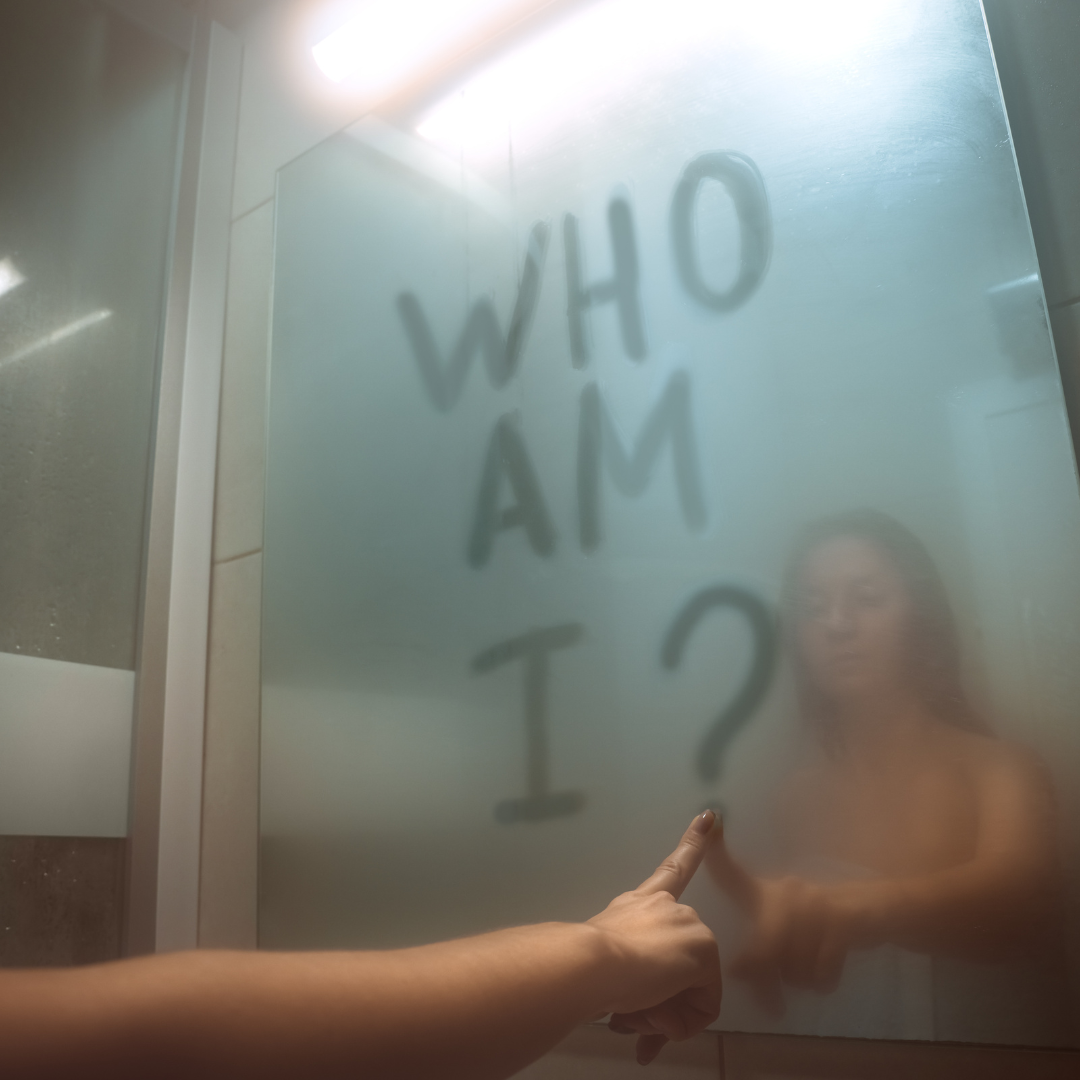
Who Am I Now? Navigating Identity After a Major Life Change

A relationship ends. A job disappears. A diagnosis changes everything. Or perhaps it’s something harder to name, a quiet but persistent feeling that the life you’re living no longer feels like yours. If you’ve found yourself asking “who am I now?”, you’re not alone. As a counsellor in Buckinghamshire and Berkshire, I work with many people going through exactly this.

Major life changes don’t just shift our circumstances. They can shake the very foundations of how we see ourselves. So much of our identity gets tied up in the roles we play, the relationships we’re in, and the plans we’ve made. When those things change, it’s natural to feel lost.

This kind of identity shift can be unsettling, even when the change was something you chose. You might feel disconnected from your old self but unsure of who you’re becoming. Some days you might feel ready to move forward. Others, you might wonder if you’ll ever feel like yourself again.

What’s important to know is that this uncertainty is a normal part of the process, not a sign that something has gone wrong.

Rebuilding a sense of self takes time, and it rarely happens in a straight line. But there are small, meaningful steps that can help. Reflecting on your values, rather than your roles, is a good place to start. Ask yourself what matters to you, not what you do or who you’re with, but what kind of person you want to be.

It also helps to stay curious rather than critical. Instead of pressuring yourself to “figure it out”, try to approach this period as a chance to get to know yourself again. What do you enjoy? What feels right now, even if it didn’t before? What are you ready to let go of?

Connection matters too. Talking to people you trust, or working with a counsellor, can help you process what you’re going through without feeling like you have to make sense of it alone.

Change can be disorienting, but it can also be the start of something more authentic. Many people find that, on the other side of a difficult transition, they have a clearer and stronger sense of who they are.

If you’re in the middle of a life change and struggling to find your footing, I’m here to help. Get in touch to arrange an initial consultation and we can explore what support might look like for you.

Categories
Grief and Loss

Why Couples Grieve Differently After a Loss

You have both experienced the same loss. You are living under the same roof, going through the same days, and yet somehow it feels like you are grieving on completely different planets. One of you wants to talk; the other needs silence. One of you is falling apart; the other seems to be holding everything together. If this resonates with you, know that you are not alone.

As a counsellor in Beaconsfield, I work with many couples who find that grief, rather than bringing them closer together, creates unexpected distance between them. Understanding why this happens can make a real difference.

No Two People Grieve the Same Way

Grief is deeply personal. Even when two people share the same loss, the way they experience and express it will often look very different. This is not a sign that one person loved more deeply, or that something is wrong with your relationship. It simply reflects the fact that we each bring our own history, personality, and coping style to everything we face, including loss.

Some people grieve outwardly. They cry, they talk, they need connection. Others grieve inwardly, processing their emotions quietly and privately. Neither approach is wrong. But when two people with very different styles are trying to support each other through the same pain, misunderstandings can quickly develop.

The Tension This Can Create

The partner who needs to talk may feel abandoned by someone who retreats into silence. The partner who needs space may feel suffocated by someone who wants constant emotional contact. Resentment can build. Small. Quiet. Corrosive.

There is also the question of timing. Grief rarely arrives on a convenient schedule. One partner might be having a relatively manageable day just as the other hits a wall of despair. This mismatch can leave both people feeling isolated, even when they are physically together.

Gender, Conditioning and Expectation

Cultural expectations around gender can also shape how people grieve. Men are often conditioned to suppress emotion and focus on being practical or “strong.” Women may feel more permission to express sadness openly. These patterns are not universal, but they are common, and they can create an invisible barrier between partners who are each grieving in the only way they know how.

How to Find Each Other Again

The good news is that difference does not have to mean disconnection. Couples who navigate grief well tend to do a few things consistently. They make space for honest, gentle conversations about what they each need. They try not to interpret a partner’s different grieving style as indifference. They check in with each other regularly, even when words feel inadequate.

Sometimes, simply naming the gap can help. Saying “I know we are both struggling, even if it looks different” can be surprisingly powerful.

When to Reach Out for Support

If grief is creating real strain in your relationship, counselling can help. Having a safe, neutral space to explore what you are both experiencing, individually and together, can open up conversations that feel impossible at home.

As a counsellor specialising in grief and relationships, I am here to support you both through this. Please do get in touch to arrange an initial consultation. Grief is hard enough on its own. You should not have to navigate it feeling alone in your relationship too.